

Introduction
Catnip is one of the most talked-about natural enrichment tools in the pet world, yet many USA cat parents still wonder how and if they should use it based on their cat’s lifestyle. Indoor cats face boredom and limited stimulation, while outdoor cats experience stressors like territorial encounters and environmental changes. This raises an important question:
Does catnip for cats benefit indoor and outdoor cats differently?
The short answer is yes. While catnip can be enjoyable for most cats, the benefits, frequency, and safest way to use it vary depending on whether your cat lives indoors or spends time outside. Understanding these differences helps pet parents use catnip responsibly, safely, and effectively, especially when choosing organic catnip for cats.
This guide breaks down how catnip works, compares its benefits for indoor vs outdoor cats, and explains how to choose and use catnip the right way in 2026.
What Is Catnip and How Does It Affect Cats?
Catnip, scientifically known as Nepeta cataria, is a member of the mint family. It contains a natural compound called nepetalactone, which triggers a response in many cats when smelled.
Why Cats React to Catnip?
When cats inhale catnip, nepetalactone binds to receptors in their nose and stimulates areas of the brain associated with pleasure and play. Common reactions include:
- Rolling or rubbing
- Playful jumping or zoomies
- Relaxed and calm behavior
These effects typically last 5-15 minutes and are completely harmless.
Not All Cats Respond to Catnip
Sensitivity to catnip is genetic. About 30-40% of cats show little to no reaction. Kittens under 6 months usually don’t respond, and sensitivity can decrease with age.
Benefits of Catnip for Indoor Cats
Indoor cats live safer lives, but they often miss out on natural stimulation like hunting, climbing, and exploring. This is where catnip for cats becomes especially valuable.
Reducing Boredom and Destructive Behavior
Indoor cats are more prone to boredom-related issues such as scratching furniture, excessive meowing, or inactivity. Catnip can:
- Encourage play and movement
- Redirect energy toward toys instead of furniture
- Break repetitive or stress-based behaviors
Encouraging Exercise and Mental Stimulation
Using catnip with toys, scratching posts, or puzzle feeders helps simulate natural hunting instincts. This is particularly important for:
- Overweight cats
- Senior cats with low activity levels
- Cats living in small apartments
Supporting Stress Relief in Indoor Environments
Changes like moving homes, new pets, or schedule disruptions can stress indoor cats. Organic catnip for cats, free from pesticides and additives, offers a gentle way to help them relax without medication.
Benefits of Catnip for Outdoor Cats
Outdoor cats experience a very different set of challenges. While they get natural stimulation, they also face territorial disputes, loud noises, and unpredictable environments.
Natural Relaxation After Outdoor Activity
After long periods of exploration or guarding territory, catnip can help outdoor cats unwind. Many pet parents notice calmer behavior after controlled catnip exposure.
Supporting Positive Play Behavior
Outdoor cats may develop aggressive or overly territorial behaviors. Catnip can redirect that energy into playful, non-aggressive activity when used at home.
Safety Considerations for Outdoor Cats
While catnip itself is safe, outdoor cats should not be given catnip freely outside, as it may attract other cats. Controlled indoor use is recommended, especially when using catnip for cats that are highly aromatic.
Indoor vs Outdoor Cats: Key Differences in Catnip Use
Understanding how lifestyle affects catnip use helps avoid overuse or misuse.
Frequency of Use
- Indoor cats: 1-2 times per week to prevent overstimulation
- Outdoor cats: Occasional use, often after stressful events
Environmental Factors
Indoor cats benefit from structured play sessions using catnip toys, while outdoor cats benefit more from calming, short sessions indoors.
Forms of Catnip That Work Best
- Indoor cats: Toys, sprays, scratchers with catnip
- Outdoor cats: Rehydrated dried catnip used indoors
Using organic catnip for cats ensures that both indoor and outdoor cats aren’t exposed to harmful residues.
How to Choose Organic Catnip for Cats?
As USA pet parents become more ingredient-conscious, organic pet products are gaining popularity, and catnip is no exception.
Why Organic Matters?
Organic catnip for cats is grown without synthetic pesticides or chemical fertilizers. This reduces the risk of:
- Skin irritation
- Respiratory sensitivity
- Accidental ingestion of toxins
Different Forms of Catnip
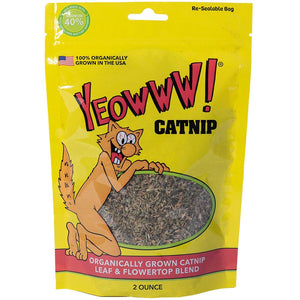
- Dried leaves: Most common and versatile
- Catnip sprays: Ideal for toys and scratching posts
- Catnip-infused toys: Mess-free and long-lasting
Storage Tips for Freshness
Keep catnip sealed in an airtight container and store it in a cool, dark place. Fresh catnip produces stronger, more enjoyable effects.
Common Mistakes Cat Parents Make With Catnip
Even though catnip is safe, misuse can reduce its effectiveness.
Overusing Catnip
Daily exposure can cause cats to become temporarily immune to its effects. Limiting use ensures continued enjoyment.
Using Low-Quality Catnip
Low-grade catnip may contain stems, fillers, or additives that reduce potency and safety.
Ignoring Individual Cat Preferences
Some cats prefer silvervine or valerian root. If catnip doesn’t work, alternatives may be worth exploring.
Conclusion
Catnip is not a one-size-fits-all enrichment tool. Catnip for cats offers different benefits depending on whether a cat lives indoors or outdoors. Indoor cats gain mental stimulation, exercise, and stress relief, while outdoor cats benefit from calmness and controlled play when used safely indoors.
Choosing organic catnip for cats, using it in moderation, and tailoring its use to your cat’s lifestyle ensures maximum benefit without overstimulation. When used thoughtfully, catnip becomes more than a fun extra, it becomes a valuable part of a balanced feline enrichment routine.
FAQs
Is catnip safe for outdoor cats?
Yes, catnip is safe for outdoor cats when used in moderation and offered indoors to avoid attracting other animals.
When should I give my cat catnip?
Give your cat catnip occasionally during playtime or stressful moments, no more than once or twice a week.
Is organic catnip good for cats?
Yes, organic catnip is good for cats because it’s free from pesticides and safer for regular, moderate use.
Why is my cat not affected by catnip?
Some cats lack the genetic sensitivity to nepetalactone and won’t respond.
How are you supposed to give cats catnip?
You can give cats catnip by sprinkling a small amount on toys or scratchers, or offering it in a toy or spray for short, supervised play sessions.