
Pickled vegetables create a demanding setting for natural color because acidity, salt, heat, and storage all influence the finished appearance. Developers using Turmeric Color need to know the final pH and processing method before choosing a concentration or format. FoodRGB lists turmeric for pickled vegetable applications and describes several powder, liquid, oil, and custom options. That flexibility is useful, but the color still has to be tested in the complete brine and vegetable system rather than judged from a bright sample prepared separately in the laboratory.
Turmeric Works Well for Warm Yellow Tones
Curcumin is the main pigment in turmeric and can provide yellow shades that suit products such as pickled cauliflower, onions, relishes, and mixed vegetables. FoodRGB lists a working pH range of about 3.0 to 7.0 for its turmeric color systems and describes them as heat-stable. That makes turmeric a practical candidate for many acidic preparations. Still, vinegar strength, spices, natural vegetable color, and heating time can change the final result, so developers should compare the shade after the full pickling process is complete.
Red Cabbage Brings a Different Color Direction
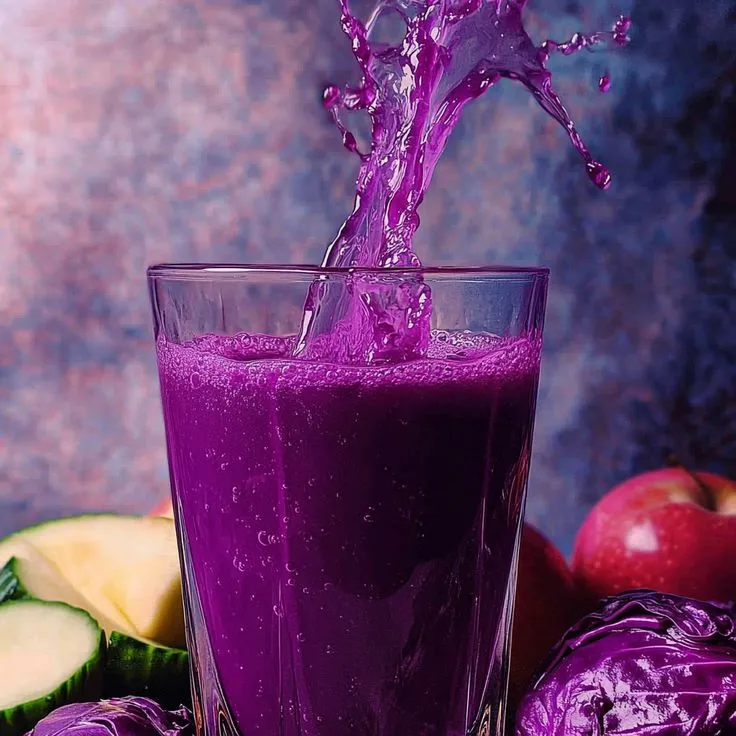
For red or fuchsia tones, Red cabbage concentrate offers another option for acidic foods. FoodRGB describes red cabbage as water-soluble, with powder, liquid, and custom formulations and a preferred pH range of about 3.0 to 5.0. The pigment responds to acidity, which can shift the visible shade within the red-to-fuchsia range. In pickled products, that behavior can be useful when the brine already sits in an acidic environment. The finished recipe should still be checked because vegetable solids and spices can change color perception.
Brine Composition Matters
A pickling brine is more than water and vinegar. Salt, sugar, acids, spices, minerals, and flavor extracts can all influence how a natural color looks once the product is packed. Turmeric may appear warmer beside mustard seeds or curry-style seasonings, while red cabbage can look deeper against pale vegetables. Developers should therefore test the full brine rather than a simplified acid solution. Measuring pH after every major ingredient has been added also helps confirm that the color is being evaluated under the same conditions planned for production.
Heat Should Match the Actual Process
Some pickled vegetables are packed cold, while others are hot-filled, pasteurized, or exposed to another heating step. That difference matters when evaluating natural pigments. FoodRGB describes turmeric as heat-stable within its stated conditions and red cabbage as heat-stable around its preferred acidic range. Even so, the actual time and temperature used on the line should be included in trials. A useful comparison checks the color before processing, after heating, and again after cooling so the development team can see whether the intended shade remains consistent.
Vegetable Color Can Influence the Result
The natural color of the vegetable itself can change how much added pigment is needed. White cauliflower gives a very different background from red onion, cabbage, cucumber, or carrot. A shade that looks strong in clear brine may appear softer once the jar is filled with vegetables. Small pilot batches make these differences easy to compare. Developers can test more than one concentration and judge the whole product, including both brine and vegetable pieces. This prevents over-coloring and keeps the end look balanced, not overly intense.
Packaging and Storage Complete the Trial
Pickled foods often remain in jars or pouches for extended periods, so shelf testing is an important part of color approval. Clear glass exposes the product to more light than an opaque container, while oxygen, temperature, and storage time can also affect appearance. FoodRGB describes both turmeric and red cabbage as having useful stability characteristics, but each finished product creates its own environment. Keeping pilot samples in the intended package and checking them at planned intervals can reveal gradual shifts that are not visible immediately after production.
Conclusion
Natural color selection for pickled vegetables works best when the brine, vegetable, process, and package are evaluated together. Turmeric can provide you with beneficial yellow tones, while red cabbage can give you red to fuchsia alternatives in acidic environments. Depending on the product, its pH ranges and behavior during processing open varied paths for developers. Manufacturers can use foodrgb.com to review natural color systems and technical support for savory applications. Testing the complete recipe through heating, packing and realistic storage gives teams a stronger basis for choosing a color that remains attractive and consistent in commercial production.