
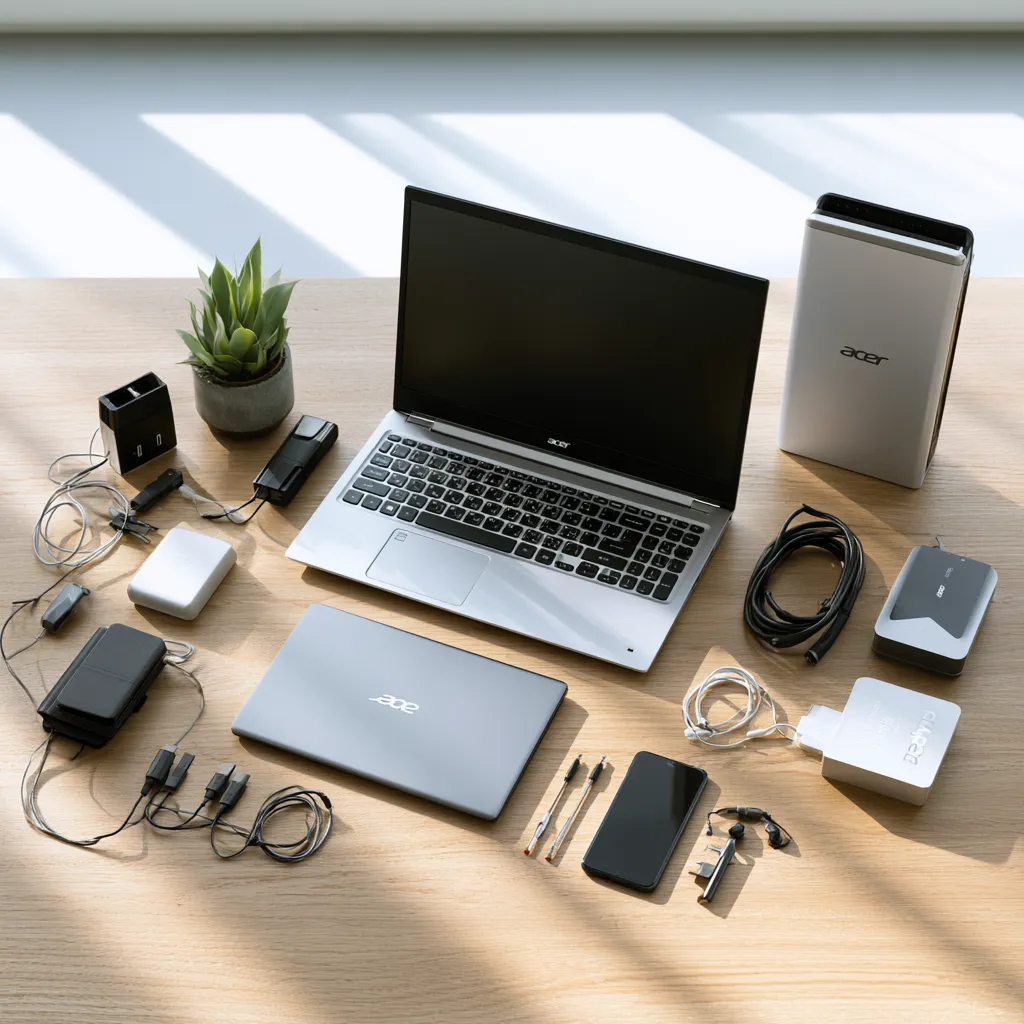
Smart-home technology has moved beyond novelty. Lights, thermostats, security devices, cleaning equipment, speakers, plugs, and appliances can now be connected in ways that genuinely reduce repetitive tasks. The challenge is deciding which upgrades are worth the setup and which ones simply add another app to manage. Reading smart home product reviews can help compare features, but the most important question is whether the device improves a routine that already exists. A smart product should make the home easier to run, not make ordinary tasks dependent on complicated software.
Choose a Routine Before a Device
The strongest smart-home purchases usually start with a repeated inconvenience. Maybe lights are constantly left on, deliveries arrive when nobody is home, the thermostat is adjusted several times a day, or floors need frequent cleaning.
Defining the routine creates a useful filter. If a device does not reduce time, effort, or uncertainty, its smart features may not matter.
A connected coffee maker sounds appealing, but if the owner rarely prepares coffee at home, automation adds little. A smart plug, on the other hand, may be useful every day if it controls a lamp or appliance on a regular schedule.
Check Compatibility First
Connected products rarely operate in isolation. They may depend on Wi-Fi bands, a phone operating system, a hub, a voice assistant, or a particular smart-home platform.
Before buying, check a few practical points:
-
Does it work with the platform already used at home?
-
Is a hub or paid subscription required?
-
Which functions still work without internet access?
-
Can several household members control it easily?
-
Does it require a separate account or app?
Compatibility problems are one of the fastest ways to turn a convenient idea into a frustrating project.
Do Not Pay for Features You Will Ignore
Lists of the best gadgets 2026 can be useful for discovering what is new in technology, from connected home products to portable electronics and software-enabled devices. Discovery, however, should not be confused with need.
A long feature list can make a product look more capable without making it more useful. Voice control matters only if people in the home will use it. Detailed energy reports are valuable only if someone plans to act on the information. Advanced automations are helpful only if they are easier than performing the task manually.
Choose the simplest device that solves the problem well.
Think About Privacy and Updates
Many smart devices collect data or depend on cloud services. Before connecting cameras, speakers, doorbells, or other sensors, review the manufacturer’s privacy settings and account controls.
Use strong, unique passwords and enable multi-factor authentication when available. Keep the device and its app updated, especially when security fixes are released.
It is also worth asking what happens if the company changes its service. Can the device still perform basic functions locally? Is there a clear update history? Smart-home convenience should not require ignoring basic digital security.
Count the Ongoing Costs
Some connected products are inexpensive to buy but more expensive to keep. Cloud recording, premium automations, replacement filters, batteries, or proprietary accessories can add recurring costs.
A quick ownership check should include the purchase price plus likely expenses for the first year. For cameras or security systems, check whether important functions require a paid plan.
For appliances, look at consumables and maintenance. A lower upfront price may not be a bargain if the device relies on expensive replacement parts or subscriptions.
Keep Manual Control Simple
A good smart home should remain usable when the internet is down, a phone battery is dead, or a guest needs to turn on a light.
Physical controls and simple fallback options matter. Smart locks, thermostats, lights, and appliances are easier to live with when basic operation does not depend entirely on one app.
This is especially important for products used by children, older relatives, visitors, or anyone who may not want to learn a complicated interface.
Start Small and Learn
There is no need to automate an entire home at once. Starting with one or two useful devices makes it easier to learn which features genuinely help and which ones go unused.
A smart plug, light, or thermostat can reveal whether the household enjoys app control and automation before more expensive devices are added.
Conclusion
The best smart-home upgrade is rarely the device with the most impressive demonstration. It is the one that quietly removes a repeated inconvenience and keeps working without constant attention. Start with the routine, confirm compatibility, examine privacy and support, calculate recurring costs, and make sure basic controls remain simple. Smart technology can make a home more comfortable and efficient, but only when the technology fits the people living there and solves problems they actually have.