
If you’ve ever watched a packaging line in action—boxes zipping by, tape hissing, workers scrambling to keep pace—you’ve probably noticed the quiet revolution happening under the radar. It’s not the flashy robots or the glossy new conveyor belts that steal the show, but something far simpler and far smarter: modern air cushion machines. These unassuming devices have transformed how businesses protect their products during shipping, and the latest generation is faster, more efficient, and more user-friendly than anything that came before. I’ve spent time exploring the offerings at airpowerpak.com, and what I found there is a glimpse into a world where packaging isn’t just an afterthought—it’s a carefully orchestrated dance of speed, economy, and environmental mindfulness. Let me walk you through why these machines are the unsung heroes of modern logistics, and how they’re making life easier for everyone from e-commerce startups to global distributors.
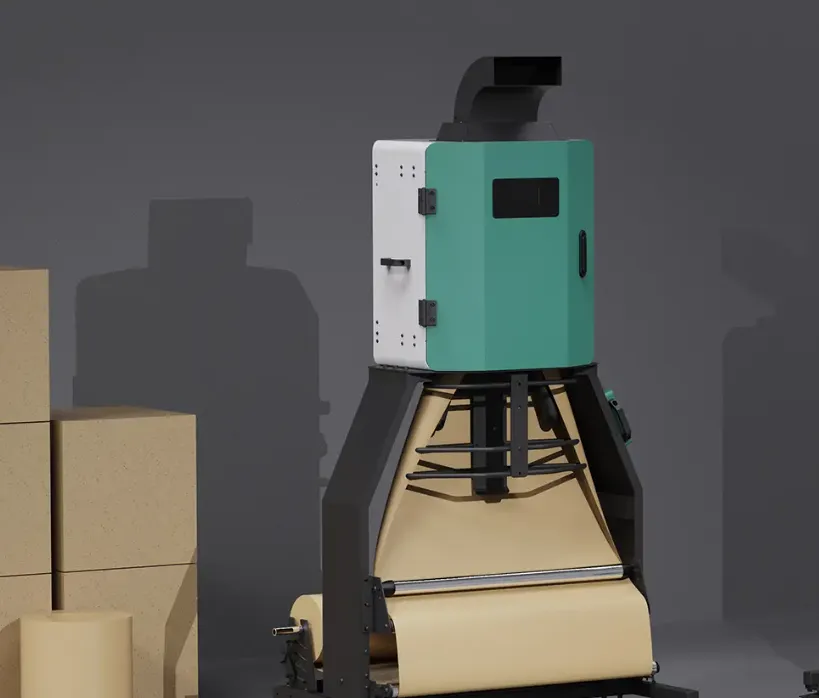
The journey of the air cushion machines from bulky, noisy contraptions to sleek, intelligent workstations is a story worth telling. Back in the day, creating cushioning for packages meant either buying pre-made bubble wrap by the truckload or wrestling with industrial foam that left a mess of flakes and fumes. Early inflatable solutions existed, but they were temperamental—prone to jams, inconsistent in cushion size, and often requiring a dedicated technician just to keep them running. Today’s models, like those highlighted on Airpower Pak’s product page, have flipped that script. They’ve been designed with a philosophy of “plug and play” simplicity, yet they pack features that would have seemed like sci-fi a decade ago. One machine I spotted uses smart sensors to detect the exact length of cushion needed, cutting material waste by up to 30% compared to manual alternatives. This isn’t just about feeling good about sustainability—it’s about real dollars saved on materials and shipping weight. And because the machines run at whisper-quiet volumes, you can place them right on the packaging floor without adding to the din that drives workers crazy.
When you start looking under the hood, the engineering decisions behind these air cushion machines reveal a deep understanding of real-world workloads. Take the roll stock system, for example. Earlier versions would only accept narrow rolls, forcing operators to constantly swap out material for different box sizes. Modern units accommodate wider rolls and feed them through a multi-lane film delivery system that can produce multiple cushions simultaneously. This might sound technical, but in practice, it means one operator can prep a dozen boxes in the time it used to take to prep just one. I noticed that the machines at airpowerpak.com emphasize adjustable inflation settings, letting users dial in pillow firmness on the fly. Are you shipping fragile electronics? Crank up the pressure for a firmer hold. Packing clothing or books? Lower it for a softer, lighter wrap. This adaptability is a game-changer for companies that don’t have the luxury of storing multiple cushioning types. You’re essentially carrying one tool that does the work of five.
But efficiency isn’t just about speed—it’s about the flow of the entire operation. Modern air cushion machines are designed to integrate seamlessly into existing packing stations without requiring a complete overhaul of your workflow. I’ve seen setups where the machine sits beside the packing table, with a foot pedal control that leaves both hands free for packing. The film feeds directly into a cutter and sealer, so you’re not fumbling with scissors or tearing materials by hand. For high-volume environments, there are models that link directly to an overhead gantry, dropping cushions into boxes as they glide past on a conveyor. This is where the “fast” part of the title truly shines. A well-tuned system can produce up to 20 boxes per minute of ready-to-ship cushioning, which means your team spends less time preparing materials and more time doing the actual packing. And let’s be honest—in a world where customers expect next-day delivery, every second counts.
Now, let’s talk about the elephant in the room: cost. It’s easy to assume that buying an air cushion machine means shelling out thousands upfront, but the reality is more nuanced. Many machines on the market, including those I browsed on Airpower Pak’s site, are surprisingly affordable, especially when you factor in the long-term savings on materials and labor. Pre-made bubble wrap and foam peanuts not only cost more per unit but also take up valuable storage space. A single roll of film for an air cushion machine can replace dozens of boxes of pre-formed cushioning, and the film itself is lightweight, reducing shipping costs for inbound supplies. There’s also the labor savings: because the machines handle the repetitive task of cutting and sealing, your packers avoid the hand fatigue that slows them down after a few hours. Some companies report a 40% increase in packing throughput within the first week of switching to a modern inflatable system. That’s not just an incremental improvement—it’s a transformation.
Durability is another aspect where these machines have evolved. Earlier models had delicate heating elements that would burn out if not cleaned regularly, and the drive motors were prone to seizing under the dust of a typical warehouse. The new generation uses ceramic heating bars that withstand daily abuse and motors sealed against particulate. I was particularly impressed by the modular design of some units: if a part does fail, you can swap it out in minutes without calling in a technician. This kind of repairability is a huge plus for smaller operations that can’t afford downtime. And because the machines are built with fewer moving parts overall, there’s simply less that can break. The result is a device that earns its keep year after year, with minimal maintenance beyond an occasional wipe-down of the film path.
Let’s shift gears slightly and talk about the environmental implications, because this is where air cushion machines shine in ways that surprise even seasoned sustainability advocates. The film used for air cushions is made from low-density polyethylene, which is lightweight and recyclable in many municipal programs. But the real eco-win is in the reduction of overall material use. Because you’re inflating cushions on demand, you only create what you need, eliminating the over-packaging that’s rampant in systems reliant on pre-made materials. Compare that to foam peanuts, which often end up in landfills because they’re too light to be recycled efficiently, or to the boxes filled with wadded paper that weighs down shipments. The air cushion approach means less raw material consumed, less waste generated, and lower carbon emissions from shipping due to reduced weight. Some manufacturers even offer films made from 100% recycled content, closing the loop on packaging waste. When you look at the whole lifecycle, these machines become a powerful tool for meeting corporate sustainability goals without sacrificing performance.
One feature I keep coming back to when I browse the product lineup is the user interface. It’s tempting to think of these machines as glorified bag pumps, but the latest models have intuitive touchscreens or even smartphone connectivity. You can set production targets, monitor film consumption in real time, and receive alerts when a roll is running low. For a warehouse manager juggling dozens of tasks, this level of visibility means you can proactively manage supplies rather than reactively scrambling when a roll runs out mid-shift. Some units also store preset profiles for different product lines, so a new hire can switch from packing wine bottles to packing ceramics with a single tap. This ease of use dramatically reduces training time—a critical factor in industries with high turnover. After all, the best machine in the world is useless if your team is afraid to touch it.
I also want to touch on the aesthetic aspect, because design matters more than you might think. The old air cushion machines were often clunky metal boxes with exposed wiring and sharp corners—not exactly worker-friendly. Modern units are sleek, with rounded edges, smooth surfaces, and LED indicators that clearly show operational status. This isn’t just about looking good, it’s about safety and hygiene. Smooth surfaces are easier to clean, and rounded edges reduce the risk of injury in a busy workspace. Plus, a well-designed machine feels less intimidating to operators, which encourages them to use it properly and maintain it. I’ve noticed Airpower Pak’s machines have a particularly streamlined profile, with minimal protrusions that could snag clothing or packaging materials. It’s a small detail, but one that speaks volumes about the manufacturer’s attention to the daily realities of packaging work.
So, where does this leave us? If you’re a website editor tasked with writing a resource for your readers, the message is clear: modern air cushion machines are no longer a nice-to-have luxury, they’re a cornerstone of efficient, sustainable packaging. Whether you’re running a small artisanal shop that ships handmade goods or a large distributor handling thousands of orders daily, these machines offer a level of consistency and speed that manual methods can’t match. I’d recommend diving into the options at airpowerpak.com to see up close how they’ve engineered for reliability and ease of use. Pay attention to the film widths they support, the speed ratings, and whether there’s an option for integrated cushion-cutting. Once you see a machine in action—quietly producing a steady stream of perfectly inflated pillows that drop into boxes like soldiers falling into formation—you’ll wonder how you ever managed without it. Packaging is the last handshake between your business and your customer, and with the right air cushion machines, that handshake can be firm, protective, and impressively efficient.