
Alright, let’s cut straight to the chase: if you’ve ever tried storing fresh produce in a standard fridge, you know the struggle. Leafy greens wilt, apples soften, and carrots turn into sad, rubbery sticks within days. That’s where the real magic happens behind the scenes—enter Cold Storage Construction Services, the unsung heroes of keeping your farmers’ market haul crisp for weeks. These specialists aren’t just throwing up some insulated panels, they’re engineering environments that mimic mountain caves or spring mornings, all tailored to the unique needs of fruits and vegetables. It’s a science, really, and China’s experts have turned it into an art form that’s both practical and surprisingly clever.
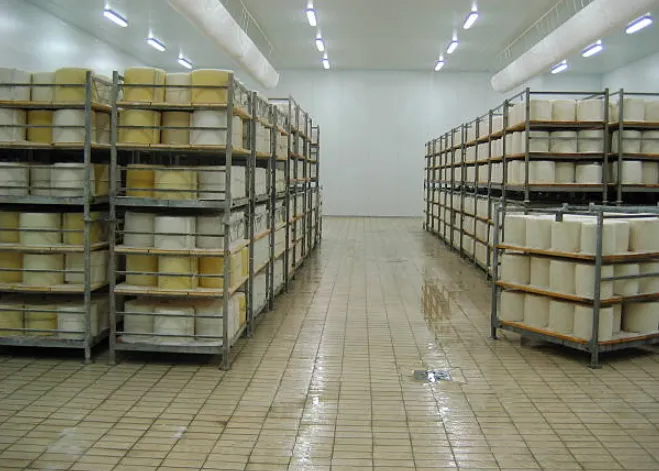
Now, let’s talk about what makes a produce cold room tick. It’s not just about cranking the temperature down to near-freezing and calling it a day. Each crop has its own personality—bananas hate cold drafts, while broccoli thrives in high humidity. Cold Storage Construction Services in China have this down to a fine art, designing facilities that adjust airflow, moisture, and ethylene gas levels with surgical precision. I’ve seen setups where apples are stored in one corridor at a precise 32°F with 95% humidity, while tomatoes in the next aisle bask in a slightly warmer 55°F. It’s like a botanical spa resort, and the produce leaves looking better than it arrived. The key is in the engineering: thick polyurethane panels, airtight sealing, and specialized refrigeration units that don’t dry out the goods. One thing I love about the Chinese approach is their obsession with energy efficiency—they’ll integrate solar panels or waste heat recovery systems into the design, making the whole operation greener without skimping on performance.
But here’s where it gets really interesting: the crossover with dairy. You might think milk and mangoes don’t mix, but Dairy Cold Room Solutions are surprisingly parallel to produce systems. Both require strict temperature control, but dairy needs even more vigilance against bacterial growth and moisture imbalance. I’ve watched Cold Storage Construction Services build multi-zone cold rooms where one section holds cheese at 40°F, another storing yogurt at 38°F, and a separate alcove for ice cream at -10°F. The same principles of airflow management and insulation apply to keeping your lettuce crisp, which is why many Chinese contractors are now offering hybrid solutions. They’ve learned that the same tech that preserves a head of cabbage can also extend the life of a block of cheddar. For instance, Dairy Cold Room Solutions often use high-grade stainless steel for easier cleaning, and guess what—that same material is perfect for produce rooms where spills of fruit juice are common. It’s a win-win, really.
Let me give you a concrete example from a recent project in Shandong province, famous for its apples and pears. The client wanted a facility that could handle both their massive fruit harvest and a small dairy line. Cold Storage Construction Services came in and designed a modular system: one large room split into virtual zones using specialized curtains and independent air handlers. The dairy section, featuring Dairy Cold Room Solutions, used a separate refrigeration loop to prevent cross-contamination from produce odors. They also installed humidity sensors coupled with misting nozzles, so the apples stayed crisp without any condensation forming on the cheese blocks. It was a logistical puzzle, but the result was seamless. The client reported a 30% reduction in spoilage within the first month, and the dairy products stayed fresh for three weeks longer than in their previous setup. That’s the kind of tailored efficiency that makes Chinese construction specialists stand out on the global stage.
Now, I know what you’re thinking—can’t I just slap a regular cooler together for my small farm or grocery store? Trust me, I’ve seen the aftermath of that approach. A friend tried to convert a shipping container for his organic veggie business, and within two weeks, he had moldy zucchinis and limp spinach. The problem wasn’t the container, it was the lack of proper engineering. Cold Storage Construction Services don’t just throw equipment at a space—they analyze heat loads, foot traffic, seasonal fluctuations, and even the local climate. For example, in humid regions like Guangzhou, they’ll add dehumidification units to prevent condensation on produce. For dry northern areas, they’ll boost humidity through specialized systems. And when it comes to dairy, Dairy Cold Room Solutions include things like UV air sterilization and backup power to handle those sudden storm outages. It’s the difference between a quick fix and a long-term investment that pays for itself in reduced waste.
Another fascinating aspect is the move toward smart controls. I recently toured a facility near Shanghai where Cold Storage Construction Services had installed IoT sensors every few feet. These monitors track temperature, humidity, and even ethylene gas levels in real-time, sending alerts to the manager’s phone if anything deviates. For Dairy Cold Room Solutions, they added automated door seals that prevent warm air from rushing in during loading, preserving the delicate balance inside. The produce section used variable-speed fans that adjust flow based on the density of stacked crates. It’s like having a brain for your cold storage, and the Chinese specialists are masters of integrating these systems without turning it into a maze of wires. The user interface is often a simple app, making it easy for even non-tech-savvy workers to manage. And here’s the kicker: these smart systems can learn patterns over time, optimizing energy use and storage conditions automatically.
Let’s not forget the human touch, though. I’ve talked to installers from Cold Storage Construction Services who spend weeks on-site, training local staff on everything from cleaning protocols to emergency procedures. They emphasize that a cold room is only as good as its daily maintenance. For Dairy Cold Room Solutions, this means strict sanitation schedules to avoid listeria, while produce rooms need regular checks for ethylene buildup from ripe fruits. The specialists often leave behind detailed guides in both Chinese and English, with pictures and simple checklists. Some even offer remote monitoring services, so if a sensor triggers an alert, they can hop on a video call to guide the team through a fix. This level of aftercare is rare in the industry, but it’s becoming a hallmark of the best Chinese contractors.
In the end, efficient produce cold storage isn’t just about keeping things cold—it’s about preserving our connection to fresh food in a world that’s increasingly losing it. Cold Storage Construction Services have evolved from simple box builders to problem solvers who understand the biology of what we eat. And Dairy Cold Room Solutions prove that the same principles can protect a broader range of perishables. So whether you’re a small farmer in Yunnan or a distributor in New York, consider the expertise coming out of China. It might just be the edge you need to keep your apples crisp, your greens vibrant, and your dairy creamy—all without breaking the bank or the planet.