

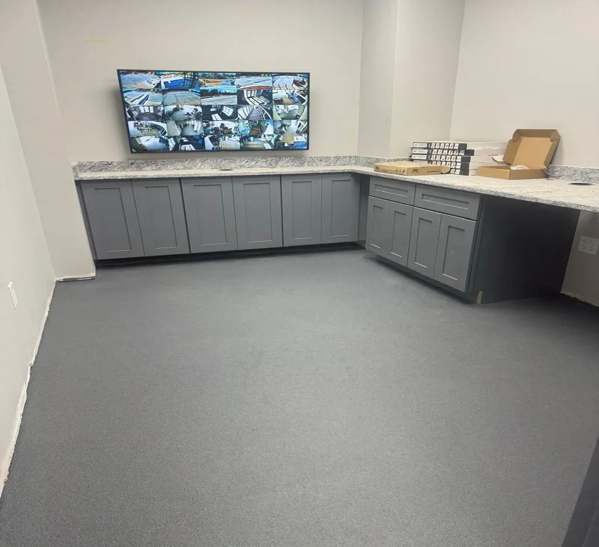
Walk into a warehouse. Or a retail store. Or some office lobby, waiting room and all. The floor says something before anybody opens their mouth. Cracked up, dingy, scuffed half to death, and suddenly the whole place feels run-down even if everything else is fine. Business owners drop cash on signs, lighting, paint, and all the stuff customers apparently notice. Floors, though? Skipped, constantly, for some reason. There’s a fix for it anyway. Doesn’t mean shutting the doors for three weeks or blowing the whole budget redoing the building top to bottom.
Commercial Spaces Need Tougher Solutions
Foot traffic in a business is nothing like a house. Forklifts are rolling through all day. Carts banging into walls. Hundreds of feet moving across it, sometimes way more. Commercial epoxy flooring Atlanta businesses lean on these days. shrugs that punishment off, no cracking, none of that thinning out regular concrete does over time. Oil, chemicals, heavy impact—it resists pretty much whatever a warehouse or auto shop throws its way. Install downtime stays short too. It matters a lot when every closed hour is money walking out the door.
Polished Concrete Brings a Sleek Look
Not everybody wants that glossy epoxy shine. Some want it cleaner. Quieter, almost. Architectural, if that makes sense. That’s where polished concrete Atlanta property owners keep landing on comes into it. Grinds the existing slab into something smooth and reflective; no extra coating piled on top is needed at all. Retail spots and offices love it; it photographs well, it bounces light around nicely, and it still shrugs off constant foot traffic without falling apart on you.
Durability That Actually Saves Money
Here’s the part people miss over and over. Cheap flooring feels smart, right up until it doesn’t. Tile cracks. Carpet stains fast; it always has. Regular concrete chips within a year or two once real commercial traffic hits it. Epoxy and polished concrete both stretch out way longer, ten-plus years sometimes; just basic upkeep is required. Fewer repairs. Less downtime. Less cash thrown at the same problem again and again. Spending more up front, oddly, ends up being the cheaper route eventually.
Choosing Between the Two Options
Picking epoxy over polished concrete, or the other way around, usually comes down to what’s actually happening in that space day to day. Machinery, spills, and constant wear and tear—epoxy takes that fight every time. In offices, showrooms, and anywhere looks matter as much as toughness, polished concrete tends to win out. Some places run both anyway: epoxy tucked in back where the grind happens and polished concrete up front where clients actually walk through. No single right call here, just whatever fits what the building’s doing.
Why Hiring Professionals Pays Off
Residential epoxy floors, definitely not a weekend job you tackle yourself. Prepping the slab right needs industrial grinders and moisture checks; timing rental gear just can’t manage. Skip any of that, and the floor bubbles up, peels, and wears down unevenly within months, guaranteed. A crew that’s done commercial work before knows how to schedule around business hours too, keeping the disruption low while it all gets done. Paying for that know-how up front beats a much bigger, pricier mess showing up later. Every time.
Conclusion
At the end of the day a business floor works just as hard as anything else in the building. Harder, probably, if we’re being honest. Heavy-duty epoxy for a warehouse or polished concrete for retail, whatever’s needed, faustflooring.com has handled enough of these jobs to know what actually lasts. Get it right the first time, and there are fewer headaches down the line, plus a space that looks as sharp as it works. Sometimes the smartest investment a business makes really is just the ground everybody’s standing on.