

Ethnic fashion continues to evolve, yet some outfits remain timeless because of their comfort and versatility. Among the most loved traditional outfits, the Salwar Kameez continues to hold a strong place in festive wear, daily dressing, and family celebrations. Comfortable, elegant, and easy to style, it suits women across different age groups and occasions.
Over time, regional fashion influences have introduced unique interpretations of this outfit. Indian and Pakistani styles, while sharing cultural roots, have developed distinct aesthetics. From silhouettes and fabrics to embroidery and styling, both reflect different fashion preferences. Understanding these differences can help women choose styles that match both occasion and personality.
What Makes Salwar Kameez a Wardrobe Essential?
One reason salwar kameez remains popular is its practicality. Unlike heavily layered outfits, it allows comfort without sacrificing elegance. The combination of a kameez, bottoms, and dupatta creates a balanced look that works for everything from office wear to festive celebrations.
Another reason behind its popularity is versatility. The same outfit can feel simple for daytime wear or festive for celebrations, depending on fabric, detailing, and accessories. Designers have also modernised the silhouette with straight cuts, palazzos, shararas, Anarkalis, and cigarette pants, making it suitable for changing fashion preferences. Its adaptability makes the salwar kameez one of the easiest ethnic outfits to style repeatedly.
Understanding Indian Salwar Suit Fashion
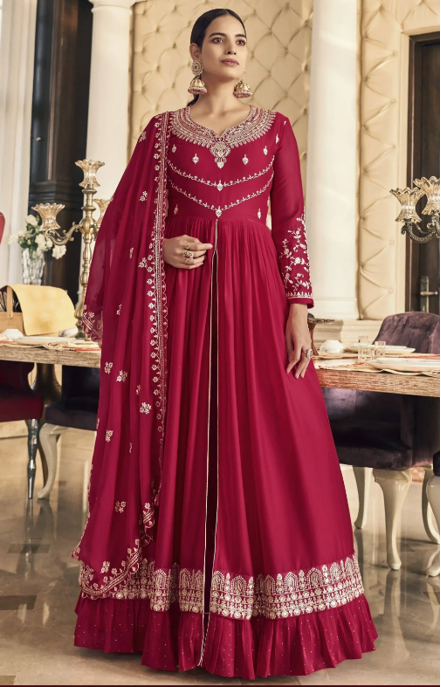
Indian ethnic wear is often recognised for vibrant colours, festive appeal, and decorative craftsmanship. Traditional Indian salwar suits typically focus on detailed embroidery, embellishments, and rich textures that create visually striking outfits.
Bright shades such as red, mustard, emerald green, royal blue, and pink are frequently seen in Indian fashion. Festivals and weddings often influence styling, which explains the use of zari work, sequins, mirror embellishments, thread embroidery, and printed patterns.
Indian styles also offer a wide variety in silhouettes. Some women prefer heavily flared Anarkalis for festive dressing, while others opt for straight-cut suits or shararas for weddings and celebrations.
Overall, Indian ethnic fashion tends to feel more vibrant and statement-driven.
What Defines Pakistani Fashion?
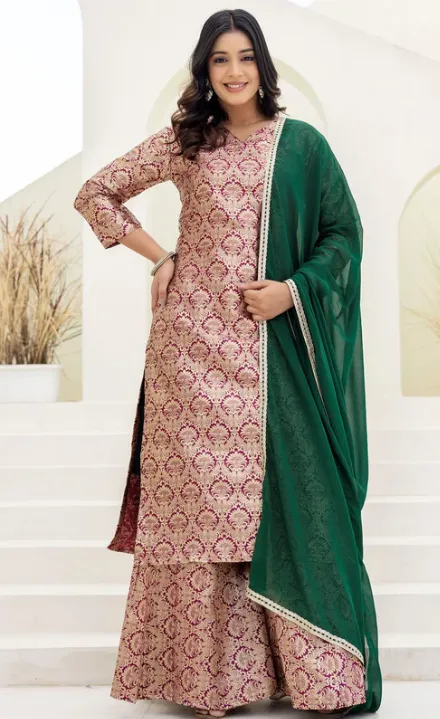
The Pakistani Salwar Kameez style is often admired for its understated elegance and refined tailoring. Unlike heavily embellished festive wear, Pakistani outfits usually focus on clean cuts, graceful silhouettes, and subtle detailing.
Longer kameez lengths paired with straight trousers or loose pants are especially popular. Softer fabrics such as chiffon, lawn cotton, georgette, and silk blends help create an effortless and flowy appearance.
Colour choices also differ noticeably. Pakistani fashion often embraces softer shades, earthy tones, pastels, and neutrals, creating a more sophisticated aesthetic.
Embroidery usually feels lighter and more delicate, which adds elegance without making the outfit appear overly festive.
Key Differences Between Indian and Pakistani Styles
Although both styles share traditional roots, their visual appeal feels quite different. Indian ethnic fashion usually focuses on bold colours, festive embroidery, and heavier detailing. Outfits often feel richer and more celebratory, especially during weddings or festivals.
Pakistani fashion, meanwhile, leans toward minimal elegance. Longer silhouettes, lighter embroidery, and softer colour palettes create a more refined and understated appearance.
The fit also differs. Indian suits may feel more structured or fitted, while Pakistani designs generally offer relaxed tailoring and flowier cuts. These differences often influence personal preference rather than deciding which style is objectively better.
Which Style Works Better for Different Occasions?
The right choice often depends on where the outfit will be worn.
For weddings, festivals, and grand celebrations, Indian styles often feel more suitable because of their decorative details and vibrant appearance. They naturally create festive energy and statement looks.
For office wear, casual family gatherings, or elegant daytime events, Pakistani-inspired outfits often feel more practical due to their lighter fabrics and comfortable silhouettes. Many women now mix elements from both styles depending on mood and occasion.
Can You Combine Both Styles?
Modern ethnic fashion increasingly encourages experimentation. Women no longer feel limited to one fashion category and often blend influences to create personalised looks.
For example, someone may pair Pakistani-inspired silhouettes with Indian embroidery or style minimalist suits with festive jewellery for celebrations. This balance creates outfits that feel stylish without becoming overly traditional. Fashion today is more about comfort and individuality than strict rules.
Conclusion
Both Indian and Pakistani ethnic wear bring unique beauty to traditional fashion. While Indian styles celebrate bold colours and festive details, Pakistani fashion offers elegance through simplicity and refined tailoring.
Rather than choosing one over the other, it often makes more sense to explore what suits your comfort, personality, and occasion. Since both styles continue to evolve with modern trends, there is plenty of room to experiment.
Ultimately, the best ethnic outfit is the one that makes you feel confident, comfortable, and effortlessly stylish.