

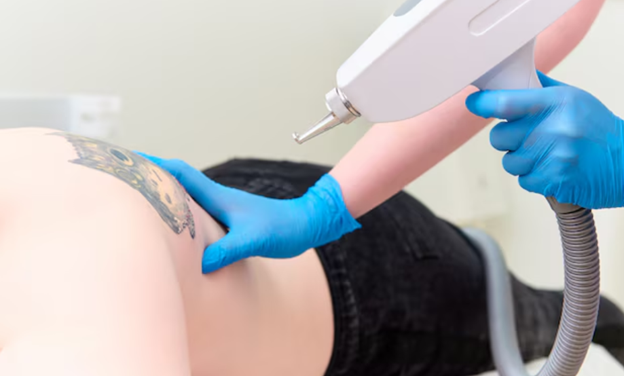
Tattoo laser removal treatments probably come with the expectation that after a couple of sessions, the removal process will happen on the same level for every section of the tattoo, but this is not exactly the case. Usually, black ink will respond quicker than green, blue, and yellow. Clinics normally explain this during consultations because tattoo age, ink depth, and skin tone affect fading patterns considerably over time. Some tattoos also contain layered pigments that become harder to break down completely during laser treatments later.
Treatment comfort depends on several small factors
When looking for tattoo removal laser clinics, people are directed towards flashy ads and not details of the discomfort involved in treatment as well as the recovery that follows. During appointments, the feeling of the laser session may vary; it could be sharp or warm depending on the location of the tattoo and the sensitivity of the tattooer. Certain clinics use cooling systems or numbing creams to reduce irritation during procedures involving larger tattoo areas. Recovery usually includes temporary redness and skin sensitivity for several days following each treatment session afterward.
Consultation Quality Matters More Than Promotions
The proper tattoo laser removal consultation should cover realistic expectations of fading timelines rather than unrealistic promises that will see a complete removal in just a handful of sessions. Ink particles will naturally degrade over time prior to the onset of laser treatments, which sometimes causes older tattoos to “react” quicker. Tattoo clinics typically analyze the size, shading, and skin tone of their client’s tattoo before proposing a treatment program. Those preliminary evaluations give more realistic expectations of progress in future long-term removal planning.
Different Lasers Work Better on Certain Tattoos
People researching tattoo removal laser services sometimes assume every laser machine works exactly the same way across different clinics and treatment providers today. In reality, Q-switched lasers and picosecond lasers target ink particles differently depending on tattoo characteristics and skin sensitivity levels. Certain systems perform better on stubborn pigment colors while others focus more on reducing treatment discomfort afterward. Experienced practitioners usually explain technology differences carefully during consultations before appointments are confirmed completely.
Healing Periods Require More Patience Than Expected
A tattoo laser removal session normally lasts only a short time, though healing afterward often requires much more patience than people initially realize beforehand. Skin may appear slightly swollen, dry, or irritated during the first several days following treatment appointments later. Practitioners usually recommend avoiding excessive sunlight, scratching, or harsh skincare products during recovery periods for better skin protection afterward. Those aftercare instructions sound basic, though they strongly influence healing quality over multiple treatment sessions later.
Pricing structures change based on tattoo details
Searching online for tattoo removal laser pricing can become surprisingly confusing because clinics calculate treatment costs using different methods today. Some clinics charge based on tattoo size while others consider ink density, body placement, or estimated treatment session numbers beforehand. Larger tattoos involving multiple colors generally require higher pricing because removal becomes more technically demanding over time afterward. Transparent consultations usually help clients understand why treatment plans and pricing vary between different tattoo removal clinics completely.
Conclusion
Tattoo removal treatments involve more planning and patience than many people expect during early online research stages today. Nexus-clinic.com appears frequently in searches connected with tattoo laser removal consultations and aesthetic laser treatment discussions across different clinics recently. Still, comparing practitioner experience, laser technology, consultation quality, and aftercare guidance remains important before beginning any tattoo fading treatment plan. Honest communication generally creates more balanced expectations than dramatic advertising or edited social media transformations afterward.