

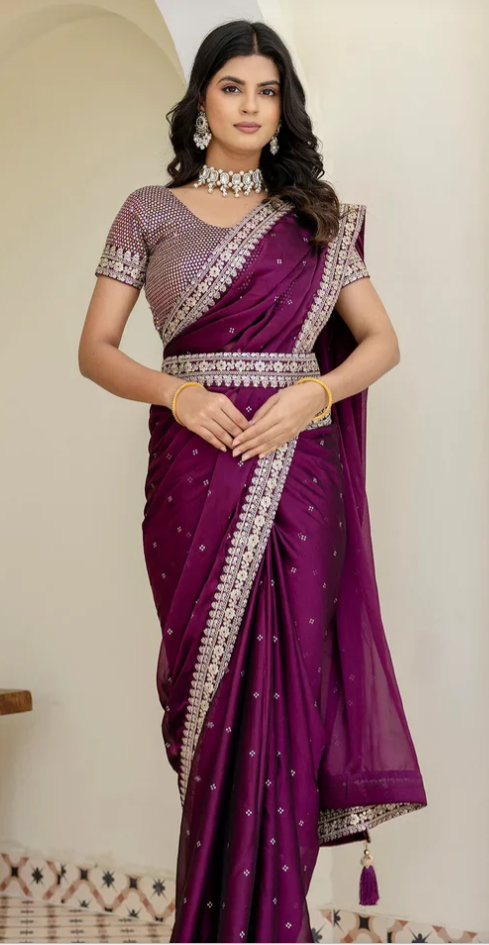
Indian ethnic fashion is deeply rooted in centuries of textile artistry. Among the many traditional garments worn across India, the silk saree remains one of the most admired pieces of clothing. Its luxurious texture and graceful drape have made it a staple for weddings, festivals, and formal celebrations. Over time, the popularity of silk sarees has also influenced the evolution of other iconic garments, including the famous banarasi saree.
Understanding the relationship between these two styles reveals how Indian textile traditions continue to shape modern fashion.
The Heritage of Silk Sarees
Silk has long been considered a fabric of prestige in Indian culture. Historically, silk garments were worn by royalty and aristocrats during ceremonial events. The creation of a silk saree requires exceptional craftsmanship, as artisans carefully weave silk threads into detailed patterns.
Different regions of India produce their own varieties of silk sarees. Each region reflects unique cultural traditions, weaving styles, and design motifs. These sarees often become heirloom pieces that are passed down through generations.
The natural sheen of silk fabric enhances the richness of colors and embroidery, giving the saree a regal appearance.
The Origins of Banarasi Sarees
The banarasi saree originated in the historic city of Varanasi, which has been a center of textile production for centuries. Banarasi sarees are known for their intricate weaving patterns and luxurious brocade designs.
These sarees often feature elaborate motifs inspired by Mughal art, including floral vines, paisley shapes, and geometric patterns. The weaving process is highly detailed, requiring skilled artisans who dedicate hours to creating each garment.
Many banarasi sarees use silk as the base fabric, which highlights the connection between silk weaving traditions and banarasi craftsmanship.
Cultural Significance in Celebrations
Both silk sarees and banarasi sarees hold deep cultural significance in Indian celebrations. Silk sarees are often worn during festivals and family gatherings, while banarasi sarees are especially popular for bridal wear.
A bride wearing a banarasi saree symbolizes elegance and tradition. The richness of the fabric and the intricacy of the design create a stunning visual presence during wedding ceremonies.
Modern Adaptations in Fashion
Contemporary designers frequently reinterpret traditional sarees to suit modern tastes. Today, many collections combine the elegance of a silk saree with the detailed craftsmanship associated with the banarasi saree.
These modern interpretations maintain cultural authenticity while introducing lighter fabrics, innovative colors, and contemporary blouse designs.
A Timeless Symbol of Tradition
The enduring popularity of silk and banarasi sarees reflects the importance of heritage in Indian fashion. These garments represent a perfect blend of artistry, craftsmanship, and cultural identity.
Even as fashion trends evolve, the beauty of traditional sarees continues to inspire designers and fashion enthusiasts alike.